Fitbit Air Review: Google's Screenless Tracker Redefines Accessible Health
Verdict Score
Where to Buy
We may earn a small commission. Keeps The Verdict ad-free.
“The Fitbit Air offers a remarkably comfortable, distraction-free health tracking experience with powerful AI coaching, setting a new standard for value in the screenless wearable market.”
Buy if…
- ✓You want comprehensive, distraction-free 24/7 health tracking.
- ✓You seek AI-powered personalized health insights and coaching.
- ✓You desire a lightweight, comfortable wearable primarily for sleep and background monitoring.
- ✓You are looking for a Whoop alternative without a mandatory recurring subscription.
Skip if…
- ✗You prefer a screen on your wrist for quick stat glances or notifications.
- ✗You need onboard GPS for phone-free outdoor workout tracking.
- ✗You require on-demand ECG capabilities (only background AFib detection is available).
- ✗You want more advanced smartwatch features like music control or contactless payments.
Pros
- +Incredibly lightweight and comfortable for 24/7 wear.
- +Comprehensive health tracking including heart rate, sleep, SpO2, and AFib detection.
- +Powerful Gemini AI-powered Google Health Coach offers personalized guidance.
- +Excellent value at $99.99, significantly undercutting competitors like Whoop.
- +Up to 7 days of battery life with fast charging.
- +Water resistant up to 50 meters, suitable for swimming.
- +Compatible with both Android and iOS devices.
Cons
- −No screen means all data viewing and interaction are via the app.
- −Connected GPS requires your phone for route tracking and accurate pace data.
- −Battery life, while good, is shorter than some premium screenless competitors like Whoop.
- −AI Coach can occasionally be glitchy in its early stages.
Score Breakdown
Technical Specifications
Introduction: The Fitbit Air Arrives to Disrupt the Wearable Space
In a landscape dominated by feature-packed smartwatches and subscription-heavy fitness bands, Google’s new Fitbit Air emerges as a refreshingly focused contender. Launched on May 7, 2026, the Fitbit Air is a screenless, pebble-sized tracker designed for comfortable, 24/7 health monitoring without the constant distractions of a display. It's a strategic move by Google to democratize advanced health tracking, offering a compelling alternative to premium, screenless trackers like Whoop, but at a significantly more accessible price point.
This review delves into whether the Fitbit Air successfully delivers on its promise of effortless, intelligent health insights, powered by the new Google Health app and Gemini AI coaching. We’ll explore its design, tracking capabilities, user experience, and overall value, helping you decide if this minimalist wearable is the right fit for your wellness journey.
Design and Unparalleled Comfort: Wear It and Forget It
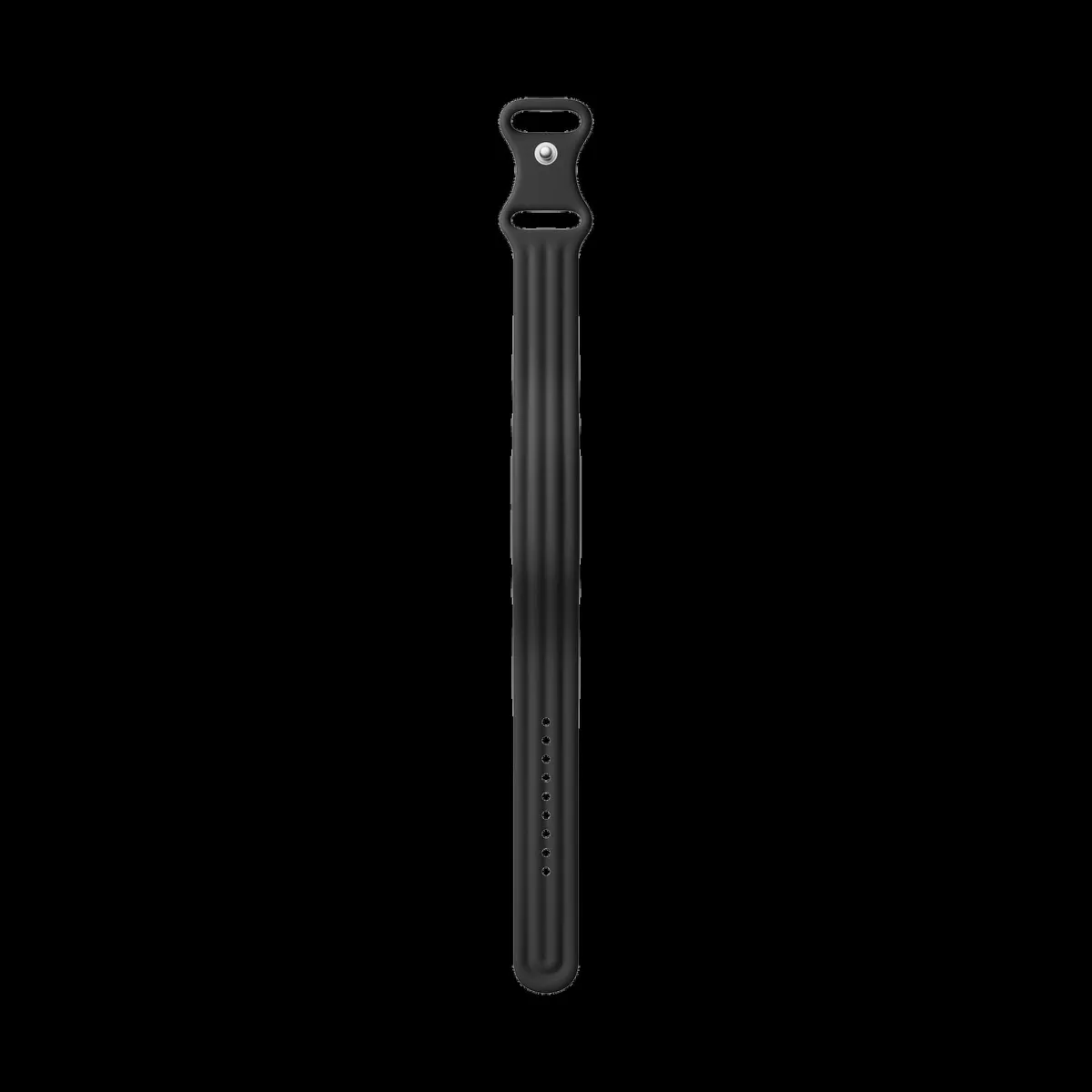
The Fitbit Air’s most striking feature is its minimalist, screenless design. It’s a tiny, discreet pebble of technology, incredibly lightweight at just 12 grams with the band, making it Fitbit's smallest and lightest tracker to date. This design philosophy prioritizes comfort above all else, allowing the device to seemingly disappear on your wrist. Reviewers consistently praise its unobtrusive nature, highlighting its suitability for continuous wear, even during sleep.
The Air comes with a standard Performance Loop woven band, offering micro-adjustability for a perfect fit, and is available in several colors like Lavender, Obsidian, Berry, and Fog. Optional Active silicone bands are also available, ideal for sweaty workouts or swimming due to their waterproof nature. This focus on comfort is a direct answer to a common pain point with bulkier smartwatches, especially for overnight tracking. The ability to swap between a Pixel Watch during the day and the Fitbit Air for sleep, with data seamlessly de-duplicated in the Google Health app, further enhances its versatility.
Comprehensive Health and Fitness Tracking: Understated Power
Don't let the Air's small size fool you; it's packed with high-fidelity sensors to provide a rich array of health and fitness data. It continuously tracks 24/7 heart rate, heart rate variability (HRV), resting heart rate, and blood oxygen saturation (SpO2) overnight. Crucially, it includes AFib (atrial fibrillation) detection, alerting users to irregular heart rhythms – a significant health feature typically found in more expensive devices.
For fitness, the Fitbit Air offers automatic workout detection for various activities, learning and adapting to your routines over time. While it lacks onboard GPS, relying on connected GPS from your smartphone for precise route and pace tracking during outdoor activities, it still provides essential metrics like step count, cardio load, and a daily Readiness Score. Sleep tracking is particularly robust, with Google claiming a 15% increase in accuracy thanks to new machine learning models, delivering detailed insights into sleep stages and overall quality.
The Google Health App and AI Coach: Your Personalized Wellness Partner
Since the Fitbit Air is screenless, the Google Health app (which replaced the Fitbit app on May 19, 2026) serves as its primary interface. This is where all your collected data is aggregated, analyzed, and presented in an intuitive, actionable format. The app is compatible with both Android (11.0+) and iOS (16.4+) devices, ensuring broad accessibility.
The standout feature of the Google Health app is the Gemini AI-powered Google Health Coach. This personalized AI assistant provides science-backed guidance, adaptive fitness plans, proactive sleep insights, and trend analysis tailored to your individual goals and data. While basic tracking metrics are available for free, a Google Health Premium subscription ($9.99/month or $99/year after a 3-month trial) unlocks the full capabilities of the AI Coach and a library of guided workouts and mindfulness sessions.
Performance and Battery Life: A Week of Uninterrupted Tracking
The Fitbit Air generally performs admirably in tracking accuracy, drawing comparisons to the Fitbit Charge 6, Google's premium tracker. Its continuous heart rate monitoring and advanced sleep algorithms provide reliable data that can significantly aid in understanding your body's responses to activity and recovery.
Battery life is another strong suit, with the Fitbit Air boasting up to 7 days on a single charge. This is a welcome relief for users accustomed to daily charging of smartwatches. Furthermore, its fast-charging capability provides a full day's power in just five minutes, making quick top-ups convenient for busy schedules. While some competitors like Whoop offer longer battery life, the Air's blend of comfort and charging speed makes its power management highly practical for 24/7 wear.
Value Proposition and Competition: A Smart Investment in Health
Priced at an aggressive $99.99, the Fitbit Air stands out as a remarkable value in the fitness tracker market. It directly challenges the subscription-heavy model of Whoop, offering a comprehensive screenless tracking experience without forcing users into a continuous payment plan for core features. This pro-consumer approach, as noted by Android Police, makes it one of Google's most value-driven hardware products in years.
For those who already own an Apple Watch or Pixel Watch, the Fitbit Air can serve as an excellent companion, handling passive, comfortable overnight tracking while the smartwatch covers daily notifications and advanced functionalities. While it lacks a screen or onboard GPS, these omissions are intentional, catering to users who prioritize a distraction-free experience and are content with smartphone integration for mapping workouts. The included 3-month Google Health Premium trial also adds significant value, allowing users to experience the full AI coaching benefits before committing to a subscription.
Verdict: A Breath of Fresh Air in Wearables
The Fitbit Air successfully carves out a significant niche in the crowded wearables market. It's not trying to be a smartwatch; instead, it's a dedicated, comfortable, and intelligent health companion for those who want deep insights without constant digital interruptions. Its competitive pricing, coupled with robust tracking and the innovative Gemini AI-powered Google Health Coach, makes it an excellent choice for anyone seeking to improve their wellness discreetly. While the absence of a screen and onboard GPS might be a dealbreaker for some, for its target audience – those valuing comfort, affordability, and smart, distraction-free health monitoring – the Fitbit Air is a resounding success. It truly offers a breath of fresh air, proving that sometimes, less is indeed more.
Video Review
Was this verdict useful?
You Might Also Like
Salomon XT-6 Sneakers: The Hybrid Icon for City and Trail Alike
$185
The Salomon XT-6 seamlessly blends trail-ready performance with undeniable streetwear appeal, offering exceptional comfort and stability for urban explorers and casual adventurers alike.
WHOOP 4.0 Review: The Recovery-First Wearable
$199.00 / year
WHOOP 4.0 remains the ultimate tracker for those who prioritize recovery data over notifications, offering a distraction-free experience that changes how you train.
Peloton Bike Review: The Fitness Icon Evolves
$1,695.00
The Peloton Bike remains the gold standard for instructor-led cardio at home, now evolving with 'Cross-Training' features that justify its premium price tag.
Fitbit Air Review: Google's Screenless Tracker Redefines Accessible Health
$99.99